Great value Unlimited Broadband from an award winning provider
Showing posts with label Diet. Show all posts

7 November 2016

Don't eat for 2, your pregnancy microbes do it for you!

When I started this blog last year, common belief was that as long as babies are in the womb, they are free of germs (early post on MBAI), but this is now shifting to the understanding that babies are being colonized prior to their birth. But how are they? And what does mum do about it?
 In that earlier MBAI post, I also wrote that a mum's microbiota changes during pregnancy to prepare for baby's birth and colonization. Today, I'm exploring this in more detail:
A 2012 study showed that the microbiota of a 1st trimester pregnant woman was different than the microbiota of a 3rd trimester pregnant woman and it had a profound impact on the woman's metabolism.
By transferring their respective human poo into germ-free bubble mice, they observed that the mice acquiring the poop from heavily-pregnant women became obese, insulin-resistant, and had a greater inflammatory response than lean mice that received poop from newly-pregnant women.
Extraordinary!
But why?
Those changes that include enhanced absorption of sugar and fat from food, and stimulation of the immune system are all in place to ensure a healthy fetal development.
Extracting more calories from food is a feature of bacterial strains that may live predominantly in overweight and obese people - read MBAI 'Is calorie counting over?'
The study also showed that this special pregnancy microbiota was not back to normal straight after birth as they tested it one month postpartum, which is interesting and makes me wonder if there are studies that show if it ever comes back to normal...(and that would explain a lot to a lot of mums...)
Did you put a lot of weight on during pregnancy?
See you next Monday,

31 October 2016

How your microbes use candies to turn you into a zombie

Happy Hallowe'en everyone, I hope you had a fantastic WE.
Expect weird and wonderful posts across the net today as we celebrate and remember the dead tonight.

And it starts right here on MBAI with a Hallowe'en special and an article that was published a couple of weeks ago. It is entitled:

The effect of short-term exposure to energy-matched diets enriched in fat or sugar on memory, gut microbiota and markers of brain inflammation and plasticity.

And it (almost) means what today's title is.

It is based on the realisation that there is a clear interaction between our gut, our microbiota, and our brain - something I will explore very soon (e.g. why does the majority of people with autism, schizophrenia, anxiety, and depression has gastrointestinal issues and/or eczema and allergies?).

This October study was done on rats, and, although it will undoubtedly be different from human models, it does give a good clinical basis for future explorations in human populations.

It's hot hot hot for the authors as they've also published in June 2016 and it must be ground breaking for them to publish at least two papers within this short time period.

In their articles, they showed that consuming a diet rich in sugar and saturated fat can cause memory deficit:

This could be due to the growth of bad strains in their gut flora (that thrive on sweet and fatty nutrients), which triggers a brain inflammatory response in the region responsible for memory and cognition. Interestingly, rats didn't need to become overweight to experience this level of inflammation, just eating bad stuff did the trick.  

So, in case these observations do translate into human data, try not to binge on sweets too much...

What are your plans for Hallowe'en?

See you next Monday,

Abstracts can be found here and here.

24 October 2016

Microbiome recipe: peanut-ginger chicken


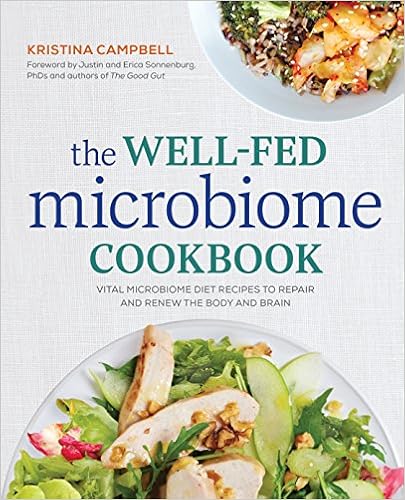
Today, on Van Leeuwenhoek's 384th birthday, I'm sharing with you another recipe from the amazing 'The Well-Fed Microbiome Cookbook'.
It is quick and easy to make, its various flavours explode in your mouth for a satisfying and filling meal - What more do you want from your lunch/dinner?

If you'de like to know more about this recipe book, feel free to read my previous posts about it, including recipes like butter chicken, fruit and seeds parfait, and spinach and feta omelet.

Enjoy


Have you tried any of them yet? Which one is your favourite?
See you next Monday

17 October 2016

Microbiome recipe: butter chicken

According to Cancer Research UK:

  •  42% of cancer cases could be avoided
  • 1 in 2 people in the UK born after 1960 will be diagnosed with some form of cancer during their lifetime
  • 4 in 10 cancer cases in the UK each year are linked to lifestyle factors
When I read this, I thought it was absolutely shocking - why aren't we doing more to save ourselves exactly?
Diet is one major thing we have full control of and can help avoid so many disorders and health issues. So today, I'm sharing with you an amazing recipe from The Well-Fed Microbiome Recipe book: butter chicken. I didn't really know why it was called butter until I prepared it, marinated it overnight and tasted it the day after, accompanied by its sauce and rice. It was so absolutely delicious!!


Have you tried any of the recipes yet? What's your favourite?
Want to know more what other ingredrients you should binge on to improve your gut flora, i.e. your health?
See you next Monday

10 October 2016

How do you poo?

I know I know, not the most romantic thing to talk about on a Monday morning...
You may have noticed recently a lot of FB posts about it and probably dismissed them...

It is, however, a very serious matter that we need to address: how to poo!!

You may think - I don't need to know, I'm fairly regular!

But did you know that constipation is defined as experiencing at least 2 of the following symptoms over the preceding 3 months:
  • Fewer than 3 bowel movements per week
  • Straining
  • Lumpy or hard stools
  • Sensation of anorectal obstruction
  • Sensation of incomplete defecation
  • Manual maneuvering required to defecate
I'm 100% sure 100% of us have been constipated at some point in our lives. So no need to be shy about it... Constipation may be one symptom but it can have multiple causes; one might simply be the lack of fibres in one's diet (come over here if you'd like to know more about fibres and diet).

If you are also wondering what your poo is supposed to look like, don't worry, there is a chart for that (I know, right!!!)
Are you a Sausage type 3/4?
But how can I get a perfect 3, or even a 4?

And as a picture is worth a thousand words, here are four:

Picture 1: the puborectalis muscle (A)
E and F are your bottom, poo comes through B, C, and D. Why the hell is there an A there that just cuts the flow... Well I will let you guess why...
Picture 2: a garden hose
Remember using one of those, the frustration when it was all twisted...

Picture 3: the solution
By elevating your knees, the puborectalis muscle relaxes allowing for a no-need-to-strain poo to go through

Picture 4: A stool for perfect type 3/4 stools
A potty training essential for toddlers... and adults!
Have you seen similar topics on FB recently? Have you adopted the correct way to poo?
Let me know (or not) in the comments section

See you next Monday,
The garden hose and the potty training step are affiliate links - thank you

3 October 2016

Microbiome recipe: feta and spinach omelet

Morning!

This week, I'm sharing with you a second recipe from 'The well-fed microbiome cookbook'.

The recipes are divided in two phases: the first one is about repairing our gut, the second one about revitalizing it.

We are all trying to find something healthy to eat in the morning that doesn't involve sugary cereals, too much bread, and buttery croissants, right?

This recipe is absolutely perfect and only takes 5 minutes to prepare. I was surprised about adding feta in my omelet, but it tasted absolutely divine!

Please note that in this series, I'm not going to give out the recipe as I think it wouldn't be too fair on Kristina Campbell if I were to share her hard work for free, right? I do think, however, that her book is lacking a couple of pictures to show how the recipes are supposed to look like, so here are mine:


Very tasty, filling, and healthy! What more do you want?

Have you ever tried feta in an omelet?

See you next Monday!

26 September 2016

Microbiome recipe: fruity yogurt, nut and seed parfaits

Morning!

This week, I'm sharing with you a recipe from 'The well-fed microbiome cookbook' I wrote about last week.

The recipes are divided in two phases: the first one is about repairing our gut, the second one about revitalizing it.
The following recipe is taken from phase 1. Recipes from phase 1 follow an adapted low FODMAP diet and are mostly for people with gastrointestinal/digestion issues such as constipation, diarrhoea, abdominal pain, and/or bloating, which are linked to IBS or IBD.
IBS stands for irritable bowel syndrome, and IBD for inflammatory bowel disease. IBD may be better known as Crohn's disease and ulcerative colitis (UC), two chronic diseases characterized by various inflamed segments of intestines (Crohn's), colon (both), and/or rectum (UC). IBS is a more obscure condition that is usually attributed when all other diagnoses have been ruled out.
This diet may help these conditions; however, they are not therapy replacement. IBD, as well as IBS, are serious conditions that need appropriate medical attention.
In the first part of the book, she does explain that healthy eating is a commitment and that it may be easier to sort out our cupboards before filling them with new ingredients. So I did, then I went shopping:
My well-fed microbiome shopping trolley
 There was one recipe I had my eye on when I was preparing my menus and shopping list: fruity yogurt, nut and seed parfaits!
Please note that in this series, I'm not going to give out the recipe as I think it wouldn't be too fair on Kristina Campbell if I were to share her hard work for free, right? I do think, however, that her book is lacking a couple of pictures to show how the recipes are supposed to look like, so here are mine:


Soooo good!!

See you next Monday!

19 September 2016

Feed your gut to improve your health

Morning! Welcome back to MBAI!

While researching topics for you, I came across different books on how to feed your microbiome. In a previous post, I dressed a guide to a healthy microbiota that included different ingredients to include in our diet and a couple of useful lifestyle advice that are always worth mentionning (!).

Admittedly though, it is not easy and I find myself struggling to apply my own list - because I'm too damn busy with work, family, and life in general!!
I'm also not in charge of menus and the cooking as my DH has taken on those responsibilities while I look after LO when I'm back from work!

However, this summer, DH and LO went on a second sunny holiday - without me as I couldn't take any more time off work in this busy period (mind you, any period is busy in medical communications!); I took that opportunity to find myself the 'Best' microbiome recipe book to test for you (and for me).


By Kristina Campbell


Written by a scientist - very important for me that it should't be by another self-professed nutritionist, this cookbook explains why, what, and how to do it, with laid out menus for a total of 6 weeks!
Also very handy are her tables of food to enjoy / avoid / limit, which I now refer to several times a day!

Please note, this is not a diet to lose weight per se, but the good habits you will pick up from it will lead to a healthier gut. (For more information about healthy gut and weight, come over here.)

The well-fed microbiome cookbook is also divided in two phases designed to first repair your gut, then to revitalize it:
  1. Repair the gut section is for people who may be suffering from diverse gastrointestinal issues such as IBS, IBD, diarrhoea, abdominal pain, bloating, or constipation. (IBS: irritable bowel syndrome; IBD: inflammatory bowel disease, e.g. Crohn's or ulcerative colitis.). The recipes follow a low FODMAP diet, adapted with a special IBD diet that has shown excellent results in people with IBD. This diet is advised to be followed for 6 weeks only.
  2. Revitalize your gut is about choosing the right ingredients to feed the most beneficial species in your gut so they proliferate and take over the bad ones' territory. This diet is advised to become the new normal.
And if you are keen to experiment with fermenting your own food, this book is definitely for you!

I will share with you my favourite recipes over the next few weeks. One thing I can tell you is that they were sooooooooooooo easy to make and they were absolutely and incredibly delicious (and right now I'm salivating thinking back to how buttery my butter chicken was, mmmm)!

All I need now is to convince DH to change his habist (!) and cook them for us...

Have you ever followed a special diet? Which one was it and what result did you obtain?

See you next Monday,

5 September 2016

Red wine and chocolate on the menu!

Welcome to My Bugs And I!

Thank you very much to all new readers for subscribing during the Summer Break Giveaway, I hope you find my articles interesting; they are all amazing stories about what our microbiota (microscopic world living on and in us) do for us to keep us safe and sane.

Our Summer Break Giveaway Winners are:
Melissa Lee, Melissa Crowe, and Adrian Bold
Congratulations!

As a new school year begins all over the world, let's look at an academic study that showed that red wine and chocolate are good for you. Oh yes, let's...

Something that we've discussed in previous posts is that the more diverse your gut flora is (higher number of different species), the lesser your risk of developing various diseases. Another thing is that everyone's composition of species is unique, and it makes it very difficult to say this or that species is essential to be healthy!!

Now, a large study on thousands of people, and their poo (where our gut species end up eventually), came up with what influences our gut flora's diversity: 31 intrinsic factors, 12 diseases, 19 drug groups, 4 smoking categories, and 60 dietary factors that can explain 18.7% of the variation seen in the interindividuality of microbial composition.


Among those factors, we'll be happy to know that drinking coffee, tea, red wine was associated with increased diversity. Drinking buttermilk was also shown to be good as it was associated with abundance of two species commonly used in fermentation.

As expected, no need to stress that sweetened drinks and other alcohols are definitely not good.

I was surprised to see, however, that whole fat milk is contributing to lower microbial diversity: whole milk is recommended for infants between the ages of 1 and 2, so I guess there's a bit of risk-benefit balance to play there.

Another good news is that the absence of calprotectin in people's poo (a good thing), was associated with consumption of veggies, plant proteins, chocolate, and bread; while its presence was associated with high BMI, diabetes, use of statins and metformin (again, let's weigh the risk-benefit balance), and systolic blood pressure.

As for everything, all in good measures!

Want to know the basics on how to promote a healthy gut, follow me here and here!

What do you do to influence your high gut flora diversity?

See you next Monday!

27 June 2016

The importance of a diverse gut flora

Over the past few weeks, the key message from my latest posts has been that it's become absolutely essential to look after our gut microbiota to feed our most beneficial species!
My essential guide to a healthy microbiota pointed to a few things we could all easily do such as eat more fibres, sleep well, exercise, cut down on alcohol, and give up smoking!
Oh yeah, oh well, I hear you think, another miracle and fashionable diet!
And in part I guess it is true that it has become popular, but - in my honest, scientific opinion - for good reason! Scientists have only realised these past 10 years or so how influential our inhabitants are on our health, and certainly since the Human Microbiome Project started in 2008 (follow me here to read about this).

On thing that has become apparent is how important our microbial diversity is.
Broadly speaking:
  • High count of different species = healthy microbiota
  • Low count of different species = increased risk of diseases such as obesity, diabetes, allergies, cancers, asthma, gastronintestinal diseases to name but a few (More on the risk of developing these diseases)
Two topics I would like to address very soon are the difference in species count between countries, and the correlation of a low count with consumption of soda (coming soon on MBAI, further reading here and here).
While we may think it's our personal problem if we are not looking after your microbiota, recent research has shown that our worsening low count of species is being passed down to younger generations with irreversible consequences (check it out over here).
Looking after our microbiota truly is for the greater good because what we are doing right now will impact on future generations.
My last note will be about the big C. That's what we are more scared of developing, right? Well, now it's pretty clear that a diverse microbiota helps our body escape cancer, helps treatment work, and helps us bear the side effects of heavy treatments (more on this here).

I've definitely upped my fibre intake, and been taking my probiotics, have you?
Let me know in the comment section,
See you next Monday!

9 May 2016

My guide to a healthy microbiota

Our microbiota is our own personal microsystem helping us to digest our food and fight invaders. It is composed of trillions of micro-organisms that populate our body, mostly in our gut. Among them, good and bad species fight for their territories. And the things we eat will feed the species that take over territories in our gut; studies have shown that eating processed food and a lot of sweet stuff is really good at killing off the most beneficial species that help us stay fit and healthy. On the other hand, eating food that will make our most beneficial species grow strong will help us achieve our goals of healthy living. More and more, doctors, nutritionists, naturopaths, (even oncologists), recognize the influence of good bacteria on our health.
What we are struggling with, however, is to know what to do about it. So, what can we do about it?

Here is my ultimate guide for a healthy microbiota. I gathered information and organized it into four sections:


Diet

Fibres - Yes

Why should I pay attention to my fibres intake?

1. Fibres have been advised as part of a healthy diet for years because they help with intestinal transit and make you regular.
2. It is also now known that certain fibres can be prebiotics, i.e. dedicated microbiota food that encourages good bacteria to prosper to help us fight invaders (more on how they do it HERE and why it's essential HERE).
3. Good bacteria help us to keep our colon intact and avoid inflammation (the infamous leaky gut syndrome) (more on this coming soon).

Where can I find fibres?

Apples, bananas, berries, raisins, kiwi, agave, honey, greens, onions, garlic, asparagus, chicory, Jerusalem artichokes, leeks, lentils, chickpeas, beans, brown rice, corn, buckwheat, flaxseed, whole wheat, whole rye, barley, almonds
Please note, foods such as cheese and cereal bars that are labelled ‘prebiotic’ usually have added inulin, a soluble fibre most often extracted from chicory root.

Fermented food - Yes

Fermented food is also an excellent source of goodies for your microbiota.
Sauerkraut; yogurt; soy; natto, miso or tempeh (fermented soy beans with specific species of bacteria); kefir (fermented milk); and kombucha (fermented green/black tea).

What to avoid?

Dietary emulsifiers
A paper published in the highly regarded Nature journal showed that dietary emulsifiers may promote intestinal issues in pre-disposed individuals and metabolic syndrome in anyone (obesity and diabetes). Indeed, carboxymethylcellulose and polysorbate-80 were shown to induce low-grade inflammation with consequences on the gut's mucosal integrity.

Glycoalkaloids?
Some of you who may be familiar with the leaky gut syndrome may have heard that saponins, aka glycoalkaloids, affect the integrity of our colon and should be avoided at all cost.
Saponins are present in spinach, oats, chick peas, beans, asparagus, onions, yams, garlic, tomatoes, and peppers as well as potatoes and tubers, but aren’t present in sweet potatoes. 
Whether these really have an impact on our health, I don't know yet, this will require a more extensive research, which I will carry out very soon.
But what I could find was that cooked potatoes release dietary resistant dextrin that act as prebiotic to modulate positively our microbiota. Moreover, a study in 2015 explained that if potatoes were previously thought to have a negative impact on our health, more research has revealed anti-cancer properties.

Sugar, processed meat, non-organic food are other types of food that are not recommended for a healthy microbiota. However, they do deserve a whole blog post each so, please come back soon to read about their impact on our gut mucosal integrity.

Behavioural habits

Alcool and smoking are clearly bad for you. Both have links to a higher risk of developing diseases including a long list of various cancers. In terms of influence on our microbiota, excessive alcohol intake has been shown to affect our microbial composition (HERE). Giving up smoking has also been shown to have remarkable effect and stimulate a healthier and more diverse microbiota (HERE).

Exercise is also a very good way of promoting a diverse microbiota as signals are sent via the gut-brain axis (HERE). Although admittedly when you exercise you are also more likely to follow a healthy regime, a study in mice showed that exercise alone induces gut microbial changes that are different from changes induced by diet (HERE).


Antibiotics is a subject I've already approached HERE. In brief, antibiotics can save human lives but definitely kill gut microbial lives so overuse is not recommended.

Sanitation is a thing of our generation whereby we absolutely want to get rid of all species on our bodies. But do we really? Too much soap, alcohol, and skin lotions are affecting our skin microbiota, which has been shown to enable bad bacteria to prosper (HERE).

Emotional being

Ever had a gut feeling about something? Ever wondered why we say GUT feeling? Scientists now believe that our microbiota has a major impact on our emotional well-being through the brain-gut axis (HERE). The brain-gut axis is the two-way information highway between our brain and our gut.
Moreover a recently aired TV documentary explained that in all situations, wearing a smile when you feel sad can make you feel better and change your brain signals.
My tips are then to smile, laugh when you can, reduce your daily stress, and accumulate all the beauty sleep you can get.

Maternal influence

Not much we can do about this but certainly you hope your mum had the opportunity to breastfeed you when you were a baby as breast milk is especially conceived to include both pre- and probiotics. And although you don't really have a choice on whether you were born naturally or by C-section, being born naturally and colonized by mum's best microbial starter pack puts you at an advantage in terms of lowered risk of developing diseases compared with C-section babies.
I've already written about this, you can find these articles HERE, HERE, and HERE.

I hope you enjoyed my ultimate guide,

What do you think would be easier to start with? Exercise, diet?
Let me know in the comment section, I'd love to read your stories.

See you next Monday!

11 April 2016

Irreversible impact of a low fibre diet on gut flora

Any diet and health book, blog, advice will tell us to increase our intake of fibres. Fibres are essential for a variety of reasons including helping digestion, regulating our metabolism (avoid obesity and diabetes), avoid cardiovascular issues (lowering cholesterol), etc.

But did you know there are two types of fibres? Solubles and insolubles?
Both types behave differently in the gut, but they all end up being munched by our lovely gut flora species.


Those insoluble fibres are essential food for our little bugs. Without them, they are not doing too well. As the diversity in species is key to a healthy you, starving some species off simply results in an unhappy and unhealthy gut. The consequences of which can range from allergies to cancer.

Unfortunately, a recent study on mice showed that by being on a low-fibre highly-processed Western diet, entire species of friendly gut bacteria are starved off and never fully recover - even once back on a healthy high fibre diet.*

What was more worrying though was that this newly balanced gut flora with unhealthy species of bugs was passed on to new generations of mice (mainly from mum to baby as he gets born), and this with even less chance of recovery through healthy eating: some species were in fact completely extinct by generation number four!

This finding, combined with knowing that our Western lifestyle habits such as C-sections, formula feeding, and the overuse of antibiotics results in a poor gut flora diversity, should help us make a definite move towards a healthy life if we don't wish to affect future generations.

Where can I find good fibres, I hear you say: wholemeal bread, nuts, seeds, skin of fruit (apple, grapes, tomato), prunes, dates, popcorn, brown rice, bell peppers, cabbage, onions, lettuce, beans, peas, potato skin, cucumber skin, courgette, cauliflower, celery, avocado, unripe banana.

How do you take your fibres? Do you eat your recommended 30g/day?

Feel free to share your stories in the comments section, I'd love to read them.

See you next Monday1

The study can be found here

4 April 2016

The influence of gut flora on anti-cancer treatment

These two concepts may feel completely foreign to one another, but there is in fact a solid background to suggest one's anti-cancer treatment may be as effective as one's gut flora is diverse.

We know that cancer cells have developed a system to bypass the immune system so that our body is not efficient at fighting them.

On the other hand, we've always known that the gut flora and all our microbes all over our body have developed a partnership with our immune cells. From birth, the first microbes residing in and on us help us fight our invaders (more on this here).

The past five years have seen a surge in publications linking the two showing that gut flora diversity is key to fighting cancer on three fronts:


1. Diversity helps to avoid pro-cancer species to multiply in excess, which would help the rise of cancer cells


Indeed, colorectal cancer has now been firmly linked to an imbalance between good and bad bacteria in the gut flora with a predominance of fusobacterium, a pro-inflammatory species that drives cancer DNA mutations - more on this here.

2. Good species help the immune system fight the cancer cells
3. Good species help the body cope with chemotherapy and radiation side effects that affect the immune system

Microbial species in your gut are able to modulate the activity of different components of our immune system that aid the anti-cancer drug to fight cancer.*

So what can we do with this information? Currently there are only a few dietary measures that we can apply to hopefully avoid a microbial imbalance. I will address these very soon in a Monday article.


Did you know that some doctors advise you to take some probiotics when undergoing anti-cancer treatment?
Please feel free to share your stories or thoughts in the comments below, I'd love to read them.

See you next Monday!


* The two papers are: Iida N, et al. Commensal bacteria control cancer response to therapy by modulating the tumor microenvironment. Science 2013; 342: 967-970.
Viaud S, et al. The intestinal microbiota modulates the anticancer immune effects of cyclophosphamide. Science 2013; 342: 971-976.

18 January 2016

Dieting in January for a healthy new you?

You know what I hate about January? 'New Year, New You' type-slogans and detox diets that will make you believe that you are full of toxins and extra poo that you need to evacuate at all cost for a healthy new you.
I wish it was that simple to be honest but let's face it, there's no miraculous quick fix to a healthy body, it's a long-term no breaks-allowed job. I covered 'detox diets' on my other sciencey blog 'Science is So Sexy' a while back and unfortunately it's still true.

And why January? It's not just because it's the beginning of the year but also because we feel so guilty about all the December binge eating. It feels natural to believe that it would be a good idea to go on a lighter diet full of healthy stuff.

I recently came across a study* done on mice whereby they compared the gut flora from mice on a healthy diet with mice on a 'plentiful' diet, and interestingly with mice on an alternate diet reminiscent of our human habits around December/January.

Researchers found that when presented with delectable rich food would binge eat while clearly under-eating when then presented with their healthy chow. Sounds familiar, doesn't it? I doubt it was a conscious decision as it is for us, nevertheless the following results are quite scary:

And because I try to walk the walk, here is me doing leg exercises, aka seesaw for my son, while typing this!
When they analysed the poos from mice on the rich diet or the alternate diet, they found their microbiota species were similar  to one another but also to the species that are usually found in obese mice. The mice on a constant and healthy chow diet had completely different species, associated with being lean.

What it means for us (if you translate this research from mice) is that after eating amazing and rich food during the holidays, dieting in January (or any other time after a Sunday lunch, an office party, a wedding, a birthday, etc...) makes no difference to your gut flora!

In a previous post, we saw that it really is our microbiota that ultimately determines how many calories we extract from food and that species in 'obese' people are just better at it than species in 'lean' people.

Harbouring the right kind of species in your gut is essential for a lean you and is dependent on what your normal diet consists of. However occasional dieting won't make a difference at all because it takes time for your gut species to understand and accept changes (lean species have to fight for their space and obese species have to be restrained in numbers - it really is a jungle in there).

Ultimately this means that healthy eating should be a forever and ever constant in our life if we want to keep a healthy and constant weight. I'm not saying anything new here but including microbiota in our reasoning is inevitable now that more and more research shows their influence on not only what they make out of our food but also on how we choose our food (coming soon).

Are you a January detox person? Or a healthy-eating-after-heavy-eating-repeat person?
If you'd like to share your thoughts, please feel free to leave me a comment, I'd love to read them.

* The study is Kaakoush et al. Mol Nutr Food Res 2016.

4 January 2016

A cure for obesity?


The past two years have seen a boom in scientific publications about our gut microbiota and most importantly their impact on our health. It seems that despite our own collection of genes being able to adapt to short-term situations, our collection of microbes have just taken it a little bit further, including helping us out digesting our food.

Throughout our life, we are hosting different bacteria depending on our age, environment, and diet. Where we live and where we are from also has an influence on their diversity.

What we are now learning is that hosting the right species at the right time has an influence on how our body will behave and convert our food.

Many experiments have shown that certain classes of bacteria are just better at extracting calories from food than others. Some then influence how those calories are used: into immediate energy, or energy to be stored as fat.

Map
Where we live and where we are from have an influence on our microbiota diversity.
Where we live and where we are from have an influence on our microbiota diversity - Do you want to tweet this?

Two of the most abundant classes of bacteria are called Bacteroidetes and Firmicutes. They only exist in our gut, and conveniently for researchers, in mice's guts:

There is a species of mouse that has a faulty leptin gene (the satiety hormone). As a consequence, those mice keep being very hungry, eat constantly, and become obese.
If you compare the gut microbes of these obese mice, they have more Firmicutes and less Bacteriodetes than normal lean mice who have more Bacteriodetes and less Firmicutes.


Interestingly, if you transfer the gut microbes from an obese mouse into a special, lean, and germ-free mouse, the latter becomes obese.*
Gut microbiota transfer from an obese mouse to a lean germ-free mouse makes the lean mouse obese - Do you want to tweet this?

Now, I know what you would like to know, and I would like to know it too:
  • Does the opposite experiment work i.e. would transferring lean mice microbiota into obese mice make obese mice lean?
  • Would it work in humans too?
Don't cancel your gym membership just yet though, I think for now it's too early to say, but rest assured there are avenues being explored...


If you could know the composition of your microbiota, what would you like to know?

If you'd like to share your thoughts, please feel free to leave me a comment, I'd love to read it.


* The amazing discoveries I shared were reported in Turnbaugh PJ, et al. 2008.


Thank you to everyone who visited My Bugs And I today on our launch day, for leaving comments, liking/sharing our FB page and articles. 


MBAI articles will now be published every Monday.
Feel free to subscribe by email, you will only receive one article per week with always the option of one-click unsubscription.  

Our fantastic giveaway is not over yet, you still have until Monday 18th to enter it for a chance to win a  beautiful and sleek Kindle Fire. Good luck!

Why is our generation overweight?


We live longer than we used to, and we don't die of nasty diseases such as cholera or plague. Our medical knowledge allows us to protect ourselves from infections like measles, small pox, cholera, and polio. We are much more hygienic than we used to, especially since the discovery and acceptance that germs can be passed on by skin contact as well as via sneezes and coughs. We know we need to be careful about what we eat (5-a-day, anyone?), and we need to exercise to stay fit.

And yet, we are more and more obese as a generation, we get more cancers, and our children develop more and more allergies and weird diseases.

It stands to wonder: what happened? What did we do to ourselves?


fruit and vegs
WHO recommends eating 5 fruit and vegs everyday
The usual saying is that because our life expectancy has increased, we have more time to develop diseases. Other explanations include: we are better at recording incidence of diseases, we eat more processed food and drink sodas, and we watch way too much TV and play video games.

While our Western lifestyle is certainly at fault, are we absolutely certain that it is all there is? That we can't do anything else? That our obesity generation is just lazy at re-establishing a healthier lifestyle?

In one of the most successful obesity clinics in Mumbai in the 80's, Dr Dhurandar always felt highly frustrated: his patients returned again and again, having always regained the lost weight or failing to lose any weight at all.

And frankly, who hasn't experienced this weight yo-yo phenomenon?

Dr Dhurandar's motto was the same we hear over and over again: 'eat less and move more'.
But he realised that, perhaps, eating more and moving less wasn't the only cause of overweight!


activity toddler
Being active from an earlier age will help us keep fit

Some people say it's a question of metabolism rate. How many times have we heard skinny people say that they have a fast metabolism and can't put on weight?

Well, it seems all this fast metabolism is not exactly true: overweight people who can't shift their extra weight don't have a slow metabolism, in fact they have a faster metabolism - simply because it takes more energy to run a big body than a small one.
Overweight people have a faster metabolism than lean people because it takes more energy to run a big body - Do you want to tweet this?


Instead, being overweight and obese seems to be more about a dysfunction of the body's energy-storage system. So how do we get about to restore the balance? Some scientists now believe the answer is in our microbiota composition.

equilibrium
What is the right balance to a healthy and lean life?
As we discover more and more about our inhabitants, some scientists believe they know which species are more prevalent in overweight bodies and which are in lean bodies (if you'd like to know more, come back in 2 hours, I will be publishing a new article that will focus on the exact species involved in obesity HERE).

Maybe this is the avenue that our fad diets have missed. Maybe, we have finally found where to look? And soon we'll find a way to understand how our body signals (leptin and ghrelin, the famous satiety and hunger hormones) work in tandem with our microbes to make us look the way we look.

What diet have you tried? Have you also experienced this yo-yo phenomenon?

Would you like to share your thoughts? Feel free to use the comments box, I'd love to read them.

Stay tuned, I will be publishing one more article today to celebrate our launch day. 

Feel free to subscribe by email, you will only receive one article per week with always the option of one-click unsubscription.

Our fantastic giveaway is not over yet, you still have until Monday 18th to enter it for a chance to win a  beautifully sleek Kindle Fire. Good luck!
 

My bugs and I Published @ 2014 by Ipietoon